

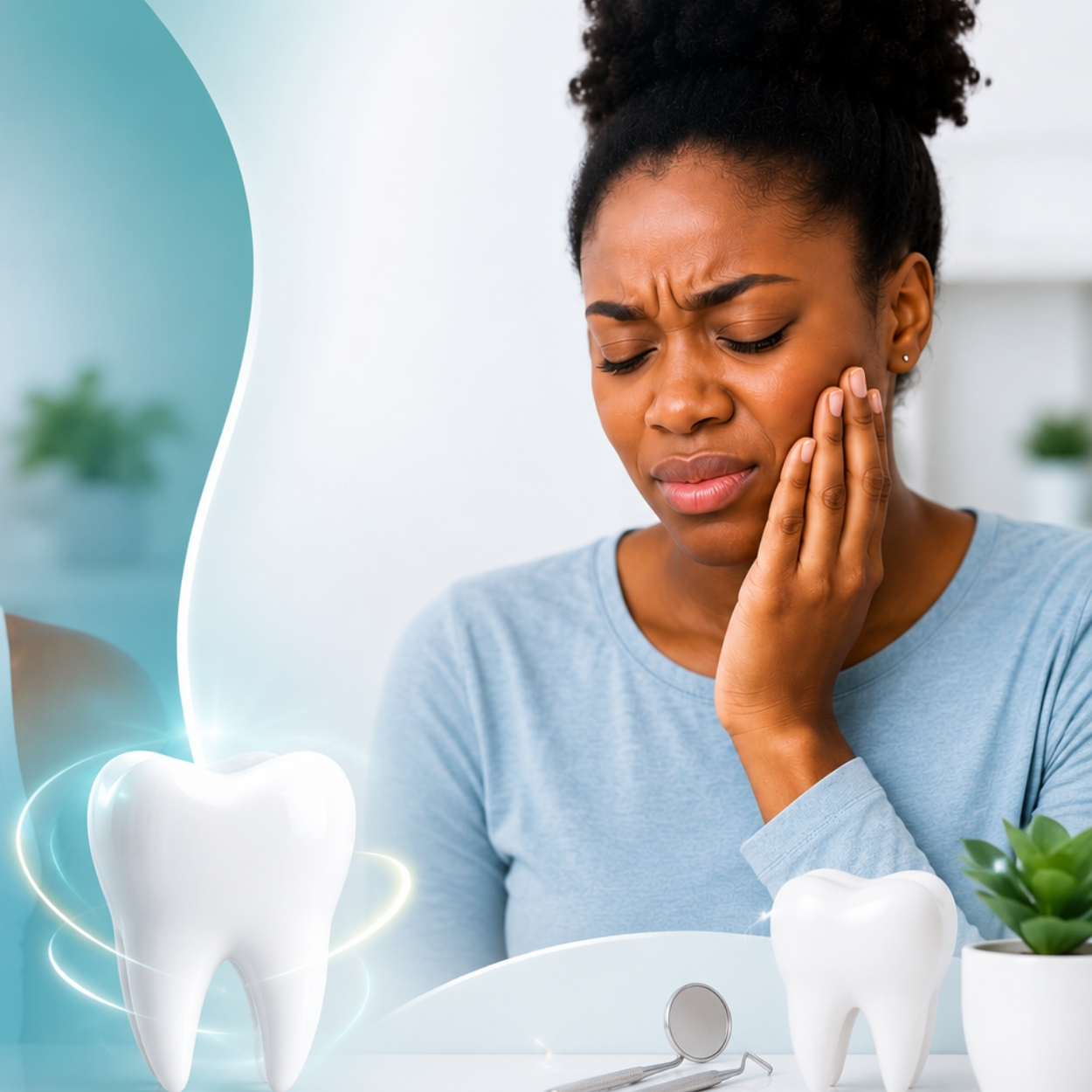
Have you ever felt a sudden sharp pain after drinking cold water, eating ice cream or taking something hot?
You could be experiencing tooth sensitivity.
Sensitive teeth are common, but repeated discomfort should never become part of your normal routine. The pain often signals an underlying dental concern that needs attention.
What Is Tooth Sensitivity?
Tooth sensitivity often feels like a quick, sharp pain in one or more teeth. Hot, cold, sweet or acidic foods and drinks often trigger the discomfort.
The pain might disappear quickly, but the cause could still require treatment.
What Causes Sensitive Teeth?
Several dental conditions could cause sensitivity, including:
- Tooth decay.
- Worn tooth enamel.
- Cracked or damaged teeth.
- Worn or broken fillings.
- Gum disease.
- Receding gums and exposed tooth roots.
- Teeth grinding.
- Recent dental or whitening treatment.
The correct treatment depends on the cause. A dental examination helps identify the source of the discomfort.
Steps That Could Reduce the Discomfort
Use Toothpaste Made for Sensitive Teeth
Desensitising toothpaste could reduce sensitivity with regular use. Ask your dentist to recommend a suitable option for your teeth.
Brush Gently
Use a soft-bristled toothbrush and avoid aggressive brushing. Hard brushing could irritate your gums and contribute to enamel wear.
Avoid Known Triggers
Reduce extremely cold, hot, sweet or acidic foods while your teeth feel sensitive.
Acidic drinks and foods could wear away the enamel protecting your teeth.
Maintain Good Oral Hygiene
Continue brushing twice daily with fluoride toothpaste. Clean between your teeth once a day and keep the gum line clean.
Do not stop brushing the sensitive area. Use gentle pressure instead.
When Should You Visit a Dentist?
Arrange a dental assessment when:
- Sensitivity lasts for several days.
- The pain becomes stronger or more frequent.
- One tooth feels more painful than the others.
- You feel pain when biting or chewing.
- Your gums look swollen or bleed regularly.
- You notice a crack, hole or broken filling.
- The sensitivity comes with persistent toothache.
- Your face or gum begins to swell.
Tooth decay, damaged teeth, infections and gum problems could produce similar symptoms. Early attention helps prevent the condition from becoming more serious.
Do Not Ignore the Warning
Sensitive teeth do not always require complex treatment. Your dentist might recommend desensitising toothpaste, fluoride treatment, a filling or another treatment based on the cause.
The first step is finding out why the sensitivity started.
Book your dental assessment with Odontal Dental Clinic at No. 21 Agbebi Street, Ijesha, Surulere, Lagos.


No comment